
Smart Home Basics: What Actually Matters
A practical starting point before buying into a connected home ecosystem.
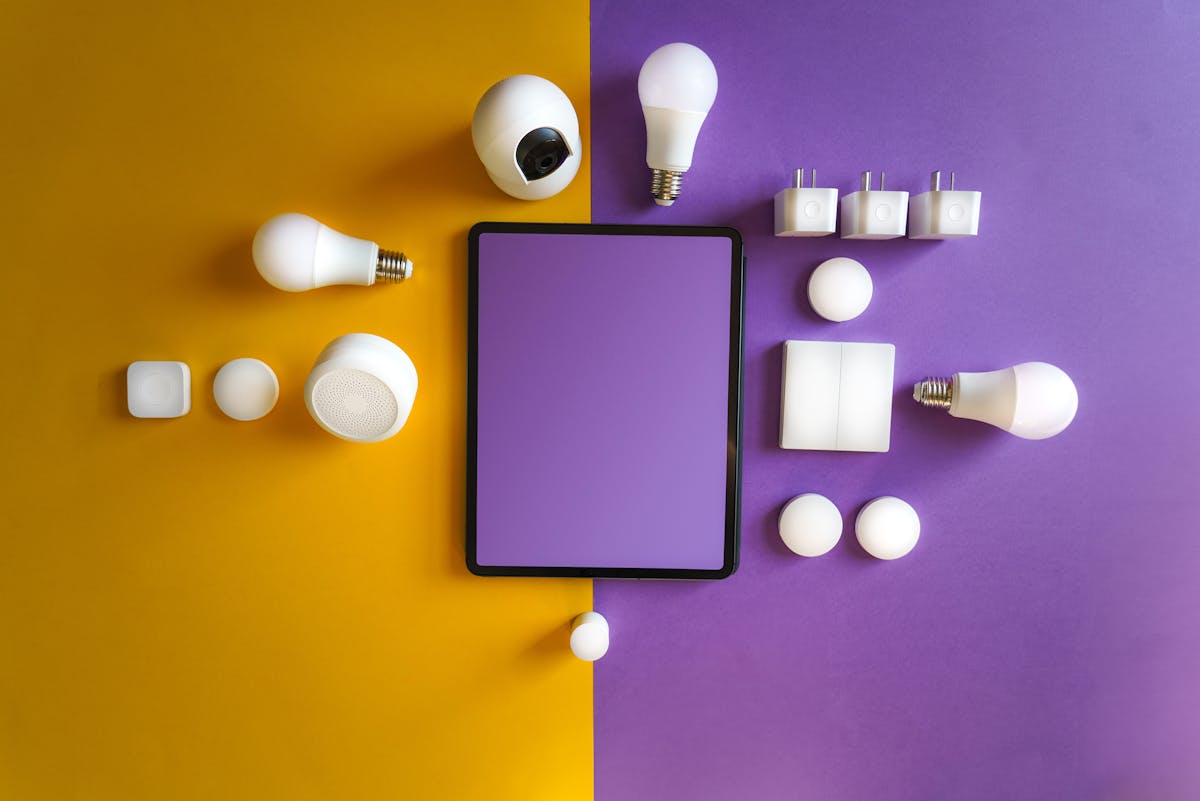
Smart home devices are marketed heavily on convenience, but the actual value depends a lot on whether a device fits into an existing ecosystem and routine, or becomes an isolated gadget that gets used a handful of times.
Ecosystem compatibility comes first
Smart devices generally work through one or more ecosystems tied to a specific app or voice assistant. Checking compatibility with what you already use — or plan to standardize on — avoids ending up with several disconnected apps.
Consider what happens without an internet connection
Some smart devices lose most or all functionality during an internet outage, while others retain basic manual controls. This is worth checking for anything tied to essential functions like locks or lighting.
Start with one genuinely useful device, not a full setup
It's tempting to convert an entire home to smart devices at once, but starting with a single device that solves a real, recurring annoyance gives a clearer sense of whether the technology fits your habits before a larger investment.
Factor in ongoing subscription costs
Some smart home features — extended video storage, advanced automation — are gated behind subscription plans. Checking whether core functionality requires an ongoing fee is worth doing before purchase, not after.
Smart home technology can genuinely simplify parts of a routine, but only when it's chosen for a specific need rather than adopted wholesale because it's available.
This article reflects general information and editorial judgment. It is not intended as professional, medical, financial, or legal advice.